
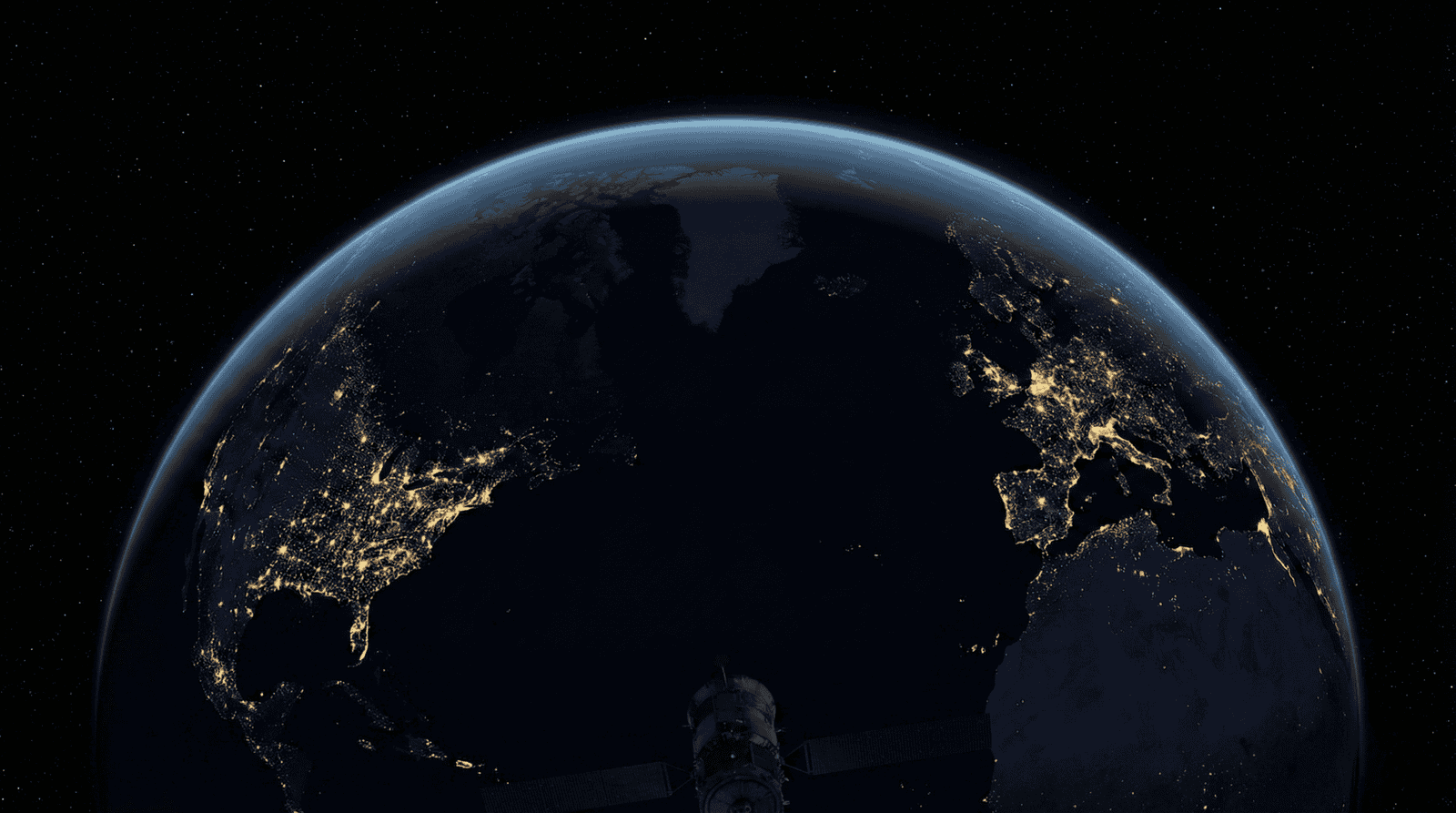
If the sun went out for 24 hours, Earth would experience sudden darkness, rapid cooling, and global disruption.
For most of human history, the Sun has been the most reliable presence in our lives. It rises, it sets, and it powers nearly every system on Earth. But imagine a scenario where that reliability vanishes.
No explosion.
No warning.
No permanent destruction.
Just one full day without sunlight.
If the Sun stopped shining for 24 hours and then returned, Earth would not instantly freeze or fall apart. Yet the planet would experience one of the most profound environmental shocks in its history. Darkness would spread faster than any night before. Temperatures would fall. Biological systems would pause. Human civilization would strain under unfamiliar conditions.
This thought experiment reveals not how fragile Earth is, but how precisely balanced it has always been. This article explores what if the sun went out for 24 hours and how Earth’s systems would respond.
The First Eight Minutes of False Daylight
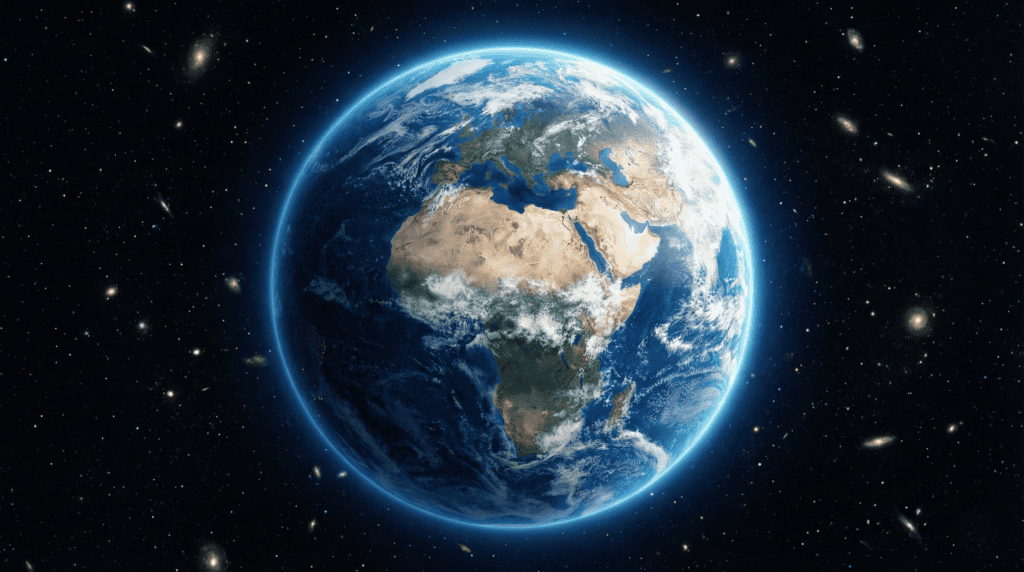
If the Sun were to suddenly stop emitting light, Earth would not notice right away.
Sunlight takes about eight minutes to travel from the Sun to our planet. During that short window, everything would appear completely normal. The sky would remain blue. Shadows would fall in their usual places. Solar panels would continue generating power.
Then, without any visible warning, daylight would simply vanish.
There would be no gradual sunset. No extended twilight. The Sun would disappear from the sky as if it had never been there at all. Within seconds, stars normally hidden by daylight would become visible. The Moon, if present, would appear startlingly bright against a sky that no longer glowed.
This sudden transition would be one of the fastest large-scale lighting changes Earth has ever experienced.
Global Darkness and the Collapse of Natural Illumination
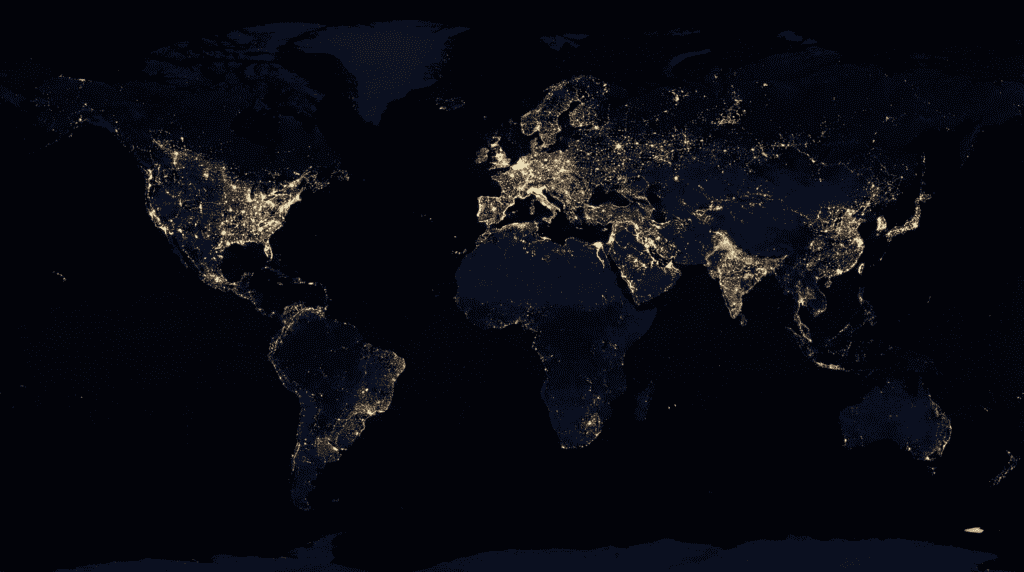
Once sunlight vanished, Earth would enter a state of global night.
Unlike a normal night, however, this darkness would be absolute in many regions. Without sunlight scattering through the atmosphere, the sky would lose its familiar glow. Rural areas would become nearly pitch black. Forests, deserts, and oceans would disappear into shadow.
From space, the planet would look dramatically different. City lights would ignite across continents as human infrastructure rushed to replace what nature had lost. Coastlines, highways, and urban centers would trace glowing patterns across an otherwise dark world.
For the first time in history, humanity would collectively become the primary source of visible light on Earth.
How Fast Would Earth Cool If the Sun Went Out for 24 Hours?
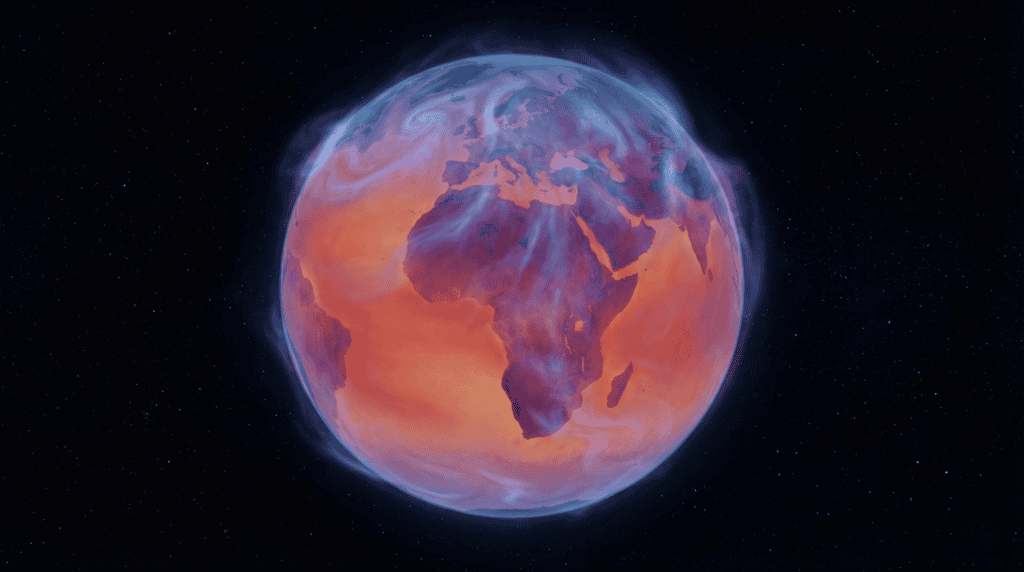
One of the most common misconceptions is that Earth would instantly freeze if the Sun went out. In reality, the planet holds an enormous amount of stored heat.
Oceans, land, and the atmosphere retain thermal energy that dissipates gradually, not instantly. However, cooling would begin immediately.
Within the first few hours:
- Surface temperatures would drop by several degrees Celsius
- Winds would shift as temperature gradients changed
- Weather systems would begin destabilizing
By the end of the 24-hour period:
- Many regions could experience drops of 10 to 20 degrees Celsius
- Polar and high-altitude areas would cool more rapidly
- Frost could form in regions unaccustomed to it
The oceans would act as a thermal buffer, slowing the overall cooling process. This stored heat is one of the key reasons life on Earth would survive the event.
Atmospheric Changes Without Solar Energy
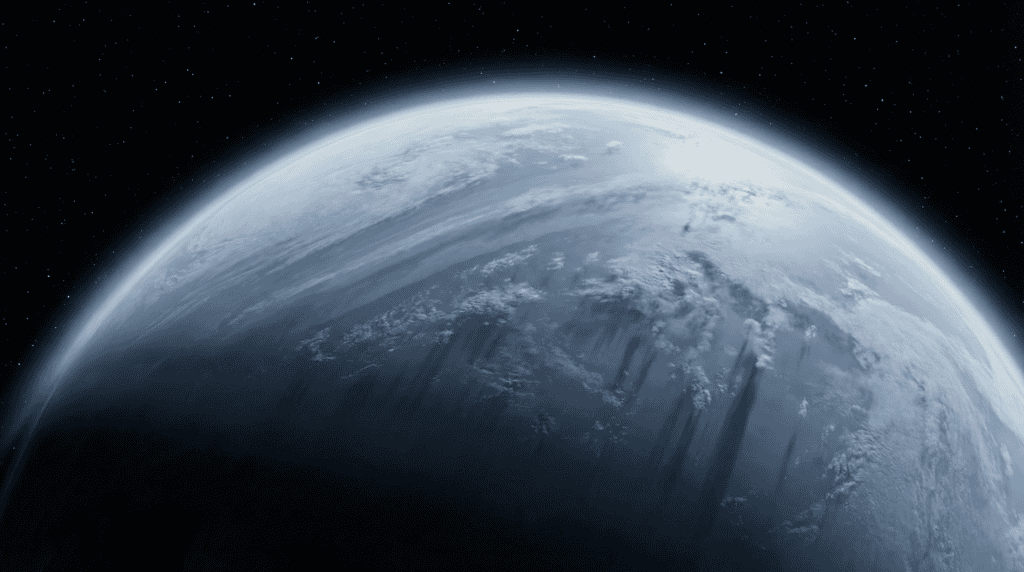
The Sun does more than provide light and warmth. It drives the entire structure of Earth’s atmosphere.
Solar heating keeps the atmosphere expanded and dynamic. When that heating disappears, the upper layers of the atmosphere begin to cool and contract. Over longer periods, this could have serious consequences, but over 24 hours the effects would be subtle yet measurable.
Changes would include:
- Weakening of atmospheric circulation
- Disruption of jet streams
- Reduced vertical mixing of air layers
Weather systems that depend on solar-driven temperature differences would begin to stall. Storm development would slow. Cloud formations would change shape and behavior.
Earth’s atmosphere would remain intact, but the pause in solar input would expose just how dependent it is on constant energy flow. According to NASA, Earth’s climate systems are deeply dependent on continuous solar energy.
Photosynthesis Comes to a Sudden Halt
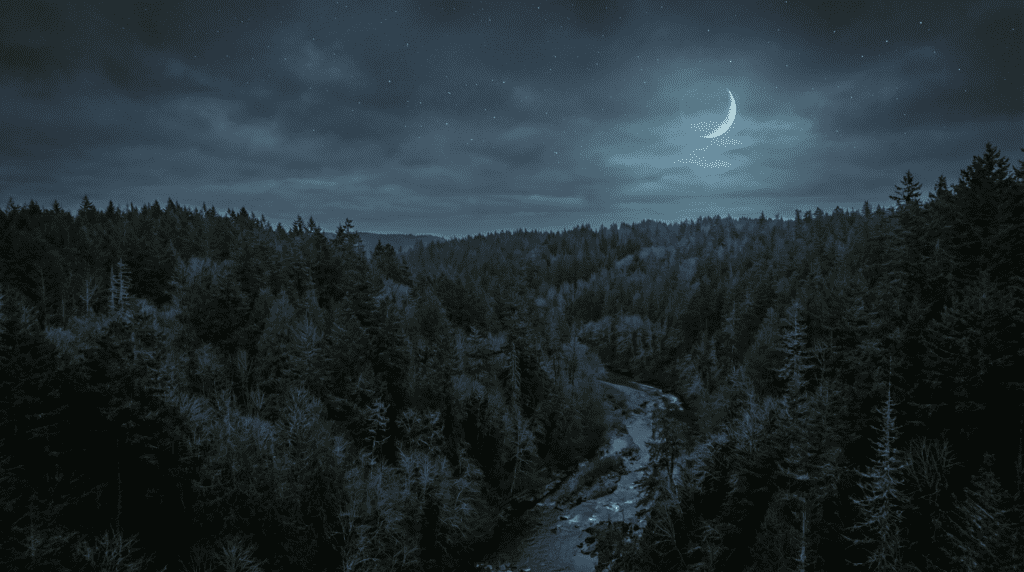
All complex life on Earth ultimately depends on photosynthesis.
Plants, algae, and phytoplankton use sunlight to convert carbon dioxide and water into energy-rich molecules. When sunlight disappears, this process stops instantly.
During the 24-hour blackout:
- Plants would not die, but growth would pause
- Crops would experience stress
- Phytoplankton activity in surface waters would slow dramatically
Because plants can survive short periods without sunlight, ecosystems would not collapse. However, the interruption would ripple through food chains, particularly in marine environments where microscopic organisms form the foundation of life.
This brief pause would demonstrate how thin the margin of stability truly is.
The Oceans Under a Darkened Sky
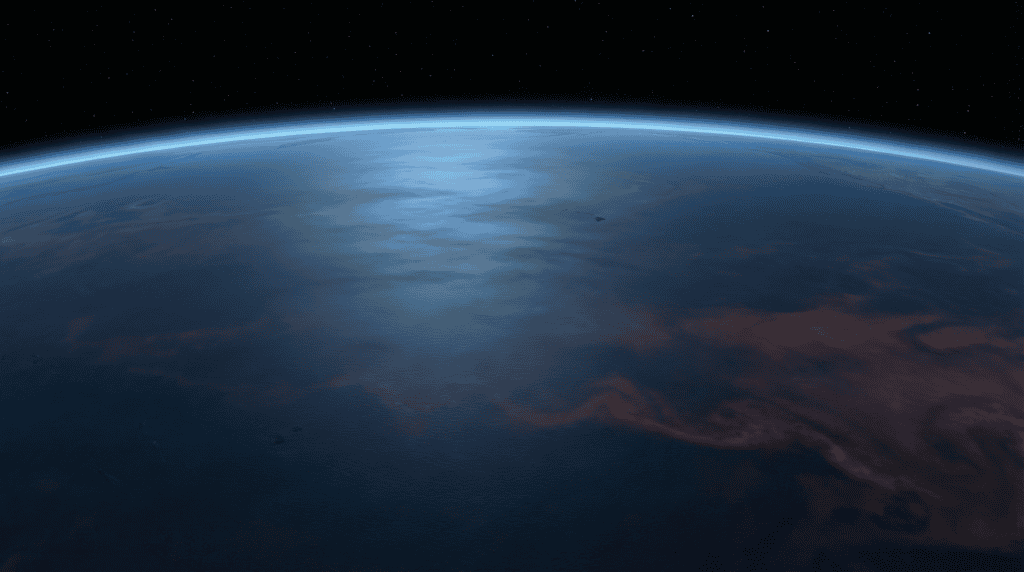
The oceans would play a critical role in Earth’s survival.
Water has a high heat capacity, meaning it changes temperature slowly. This property would help stabilize global temperatures during the Sun’s absence.
However, surface waters would cool, especially in calm regions. This could alter:
- Ocean currents
- Vertical mixing of nutrients
- Marine ecosystem behavior
Marine animals sensitive to temperature and light cycles would experience disorientation. Some species rely on daily light patterns for feeding and migration. A sudden global night would disrupt those rhythms on a planetary scale.
Even so, the oceans would emerge largely intact after 24 hours, continuing to act as Earth’s greatest thermal reservoir.
Human Civilization Without the Sun
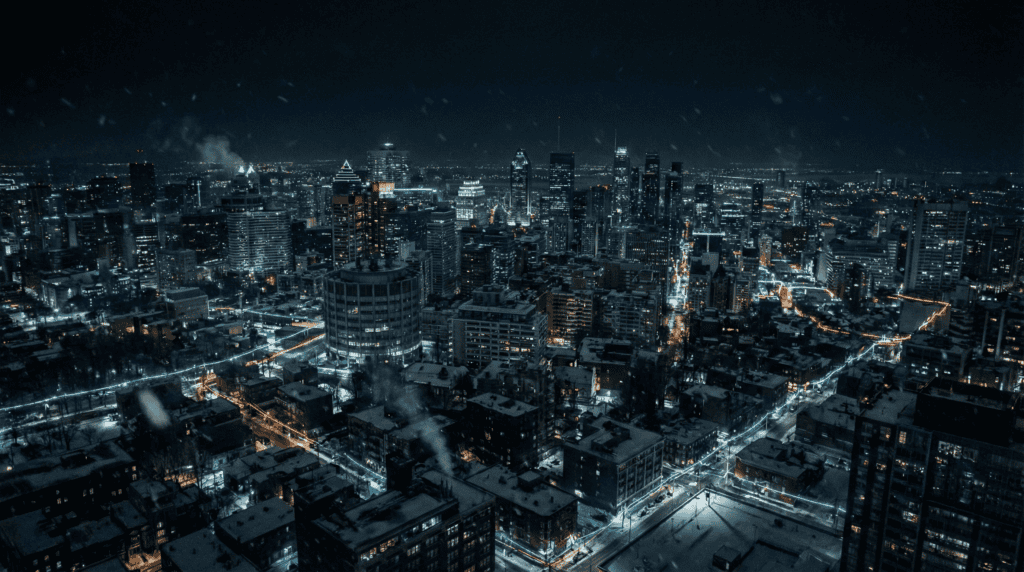
For humans, the immediate challenge would not be survival, but adaptation.
The sudden loss of sunlight would trigger:
- Massive spikes in electricity demand
- Strain on power grids
- Disruptions to transportation and communication systems
Heating systems would work continuously in colder regions. Energy reserves would be depleted faster than anticipated. Emergency services would operate under unprecedented conditions.
Psychologically, the impact would be significant. Humans are deeply attuned to daylight cycles. A full day of unexpected darkness would increase stress, confusion, and fear across populations.
Despite these challenges, modern civilization would endure. Artificial lighting, stored energy, and global coordination would allow humanity to survive the event — shaken, but functional.
What Happens When the Sun Returns?
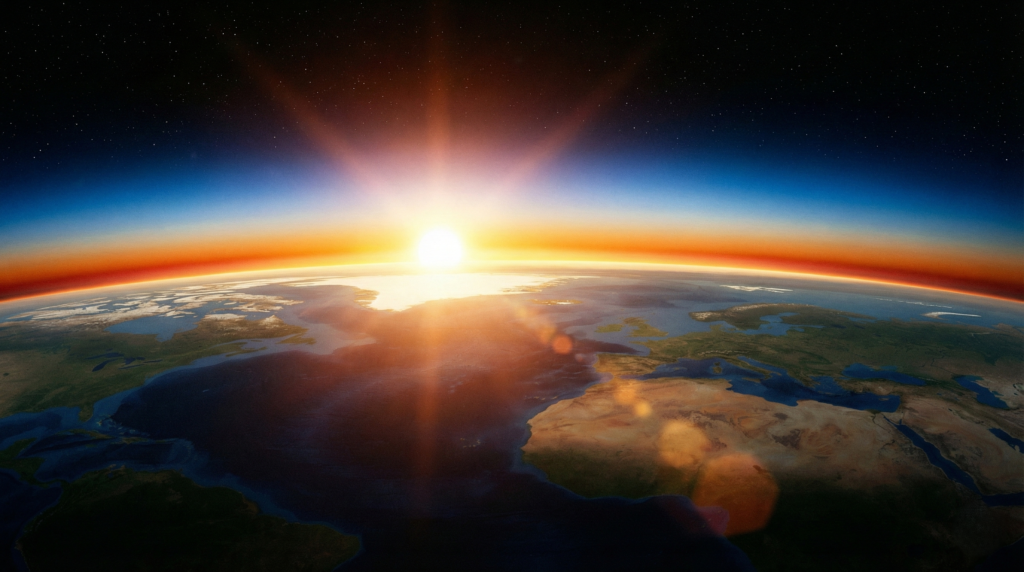
After 24 hours, the return of sunlight would be just as dramatic as its disappearance.
The first rays would crest the horizon, restoring natural illumination to a planet that had briefly forgotten it. Temperatures would begin rising almost immediately. Atmospheric circulation would slowly restart. Photosynthesis would resume worldwide.
However, Earth would not snap back instantly.
Weather systems would take time to rebalance. Ecosystems would show signs of stress. Data collected during the event would reshape scientific understanding of planetary resilience.
The Sun’s return would feel less like a routine sunrise and more like a planetary recovery.
Long-Term Consequences of a One-Day Solar Shutdown
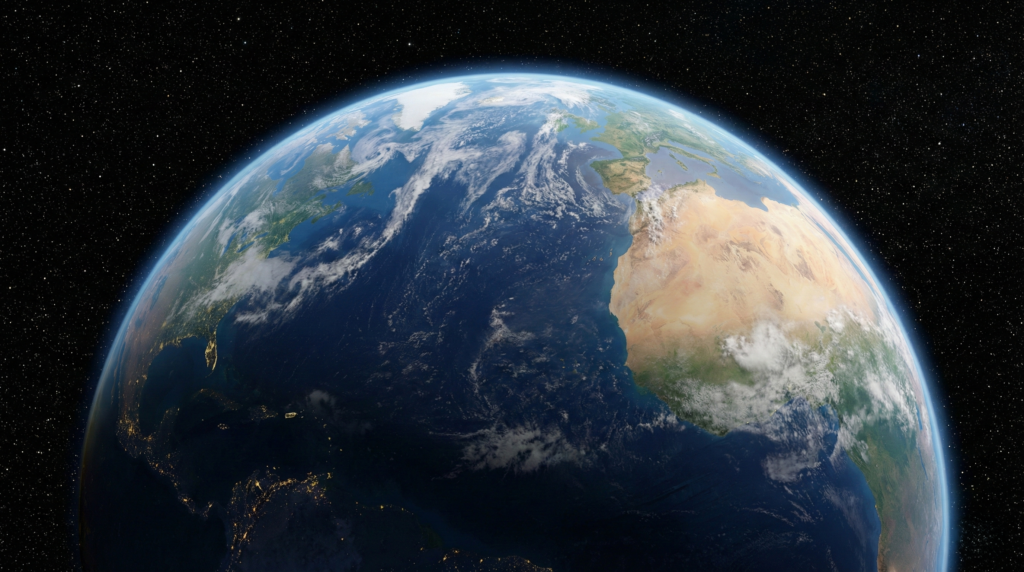
Although life would survive, the event would leave lasting effects.
Scientists would gain unprecedented insight into:
- Climate system sensitivity
- Atmospheric dynamics without solar input
- Ecosystem resilience thresholds
Human societies would likely reassess energy dependence, infrastructure resilience, and planetary risk awareness. This type of scenario aligns with other planetary thought experiments explored on WhatIfSoon.
A single day without the Sun would not end life on Earth. But it would permanently change how humanity understands its place in the universe.
A Final Thought
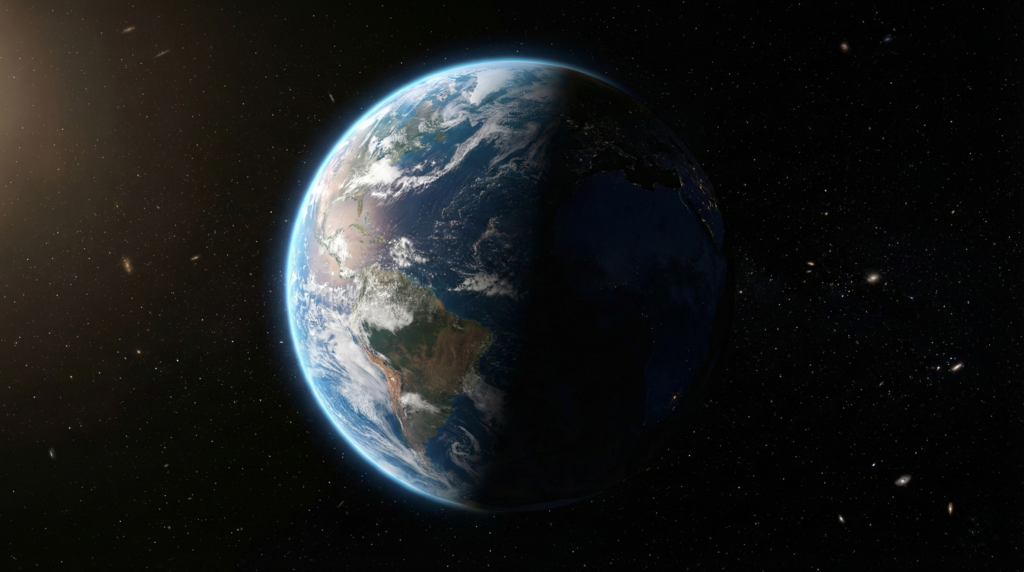
The Sun is not just a light in the sky. It is the engine that drives nearly every natural process on Earth.
A 24-hour absence would not destroy the planet, but it would strip away the illusion of permanence. It would reveal a world balanced delicately between stability and disruption, powered continuously by a star we often take for granted.
The question is not whether Earth could survive such a day.
The question is how much we truly understand the systems that make survival possible.
Visual Exploration of the Scenario
This scenario has also been explored visually through a cinematic scientific simulation.
Disclaimer:
This article is for educational purposes and explores a scientific thought experiment using established physics and Earth science.